Article
How to Inspire Creativity in a Friend (Without Making It Homework)
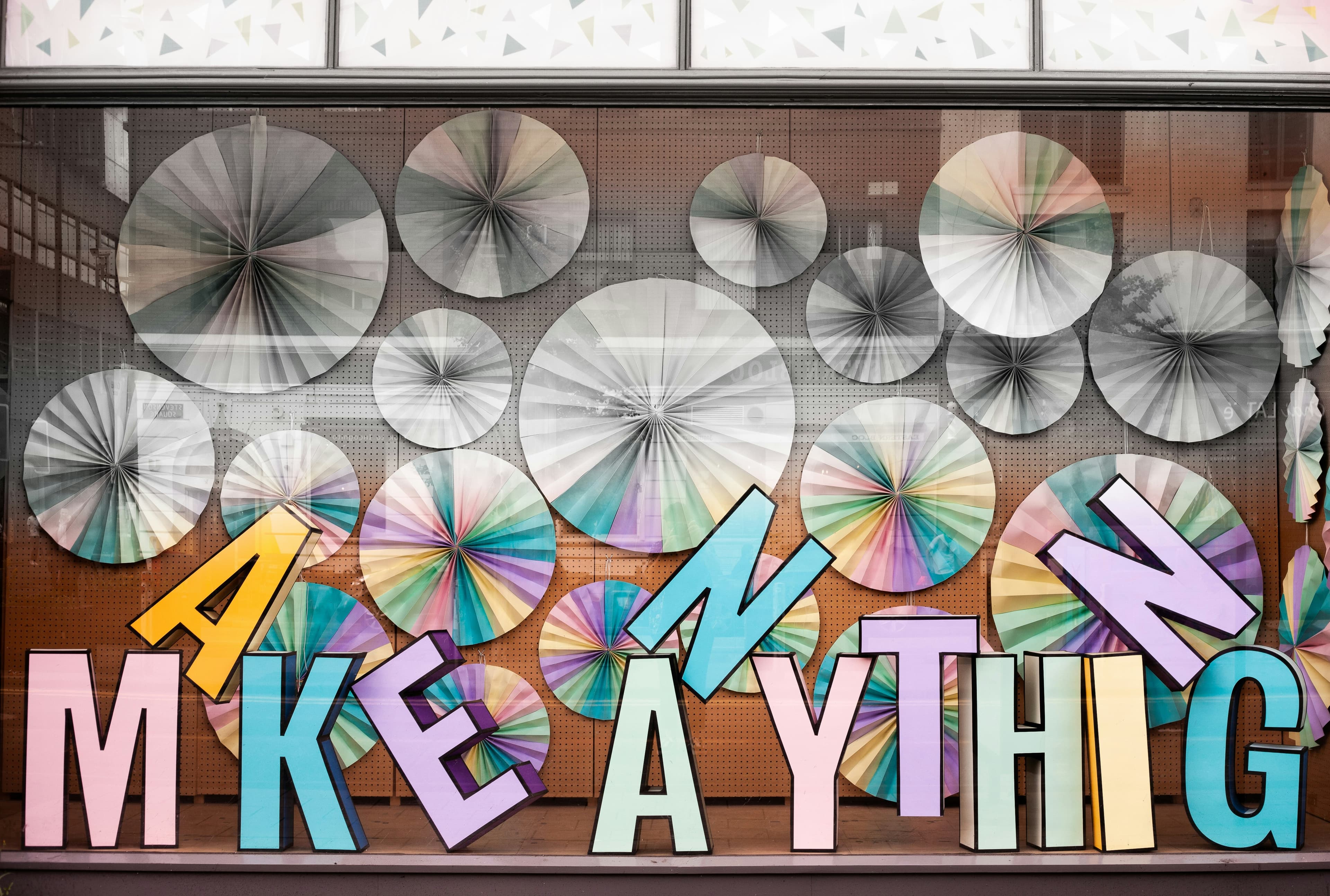
Helping a friend reconnect with their creativity is delicate. Push too hard and you become a project manager. Do too little and the urge fizzles. The gentle nudges that actually work are smaller than most people think — and they do less assigning, more permission-granting.
The trap most well-meant creative encouragement falls into is treating creativity like a project they need to complete. What they usually need is the opposite: a way to start without it having to be good, a tool that lowers one specific barrier, and someone who’ll be the first audience without giving notes.
1. Lower the activation energy by one notch
The fastest way to kill someone’s creative urge is to make the first step too big. The fastest way to help is to remove a single specific barrier.
- A friend wants to write but doesn’t know what to write about? Gift them a small prompt deck — three a week, no commitment.
- A friend wants to draw but their materials are scattered? A single beautiful sketchbook and one really good pen, kept somewhere visible, beats a basket of supplies.
- A friend wants to learn an instrument? A one-lesson gift voucher beats a six-week course commitment.
The principle: one notch smaller than what they’d sign up for themselves.
2. Ask questions that grant permission instead of demanding output
Skip “What are you working on?” (puts them on the spot, implies they should have something). Try:
- “What excites you these days?”
- “If resources weren’t an issue, what would you try?”
- “What would you make if no one ever had to see it?”
These prompts open a door without making them stand in it. Celebrate bold attempts — including the failures and the half-finished things. The dead drafts are part of the process.
3. Be the first audience — and don’t give notes
The most powerful thing you can offer is to look at what they make and not improve it. Read the bad poem; watch the rough cut; listen to the first version of the song. Say one specific thing you noticed (“I liked how you described the kitchen”) and don’t pivot to advice.
This is harder than it sounds. The urge to be useful runs deep. Resist.
If they want feedback, they’ll ask. Then ask back: “Want my honest read, or just my reaction?”
Creativity is delicate. The right nudge is one notch smaller than you think.
4. Offer collaboration without a deadline
For some people, creativity stalls because it feels solitary. Co-creating with a friend can be the unlock.
- A “we both make something this month” pact — no judgment, no public reveal required.
- A monthly creative date — pick a small prompt together, work in parallel for an hour, share at the end.
- A walk-and-photograph hour. Walk together, take photos of whatever, share five at the end.
The point isn’t making something good. The point is making anything with a witness.
5. Celebrate small attempts — specifically
Recognition fuels next-attempt energy. Vague praise (“that’s great!”) does nothing. Specific praise that names what you noticed compounds.
- “I love how you used the green tone in the corner.”
- “The way you described your grandmother in the second paragraph — that landed.”
- “The melody you hummed yesterday is still stuck in my head.”
Specific noticing tells them their work is worth looking at carefully. That’s the rocket fuel for a creative practice.
6. Gift the one resource (not the bundle)
When in doubt, give one well-chosen resource over a basket of options.
- A single book by an artist or writer in the field they’re exploring — with a note about why you chose it.
- A subscription to one good newsletter (not five).
- One workshop or class — chosen because you actually think they’d like it, not because it sounded creative.
The fewer decisions you put on them, the easier it is to start.
7. Make it okay for it to go nowhere
Most creative projects don’t turn into anything. That’s the deal. The role of a friend isn’t to enforce productivity; it’s to make starting and stopping feel safe.
If they pick something up and put it down, don’t bring it up later as something they gave up on. Let it be what it was — a moment of trying. That permission to abandon is part of what makes the next start possible.
A quick check before you commit
Three questions:
- Did you lower the activation energy, or did you assign a project?
- Did you offer to be the first audience, or did you skip the part where someone has to look at what they make?
- Did you give them one specific tool, or a basket of supplies that adds decision fatigue?
Creativity is delicate; the right nudge is one notch smaller than you think.