Article
How to Pray for Someone Before Their Surgery
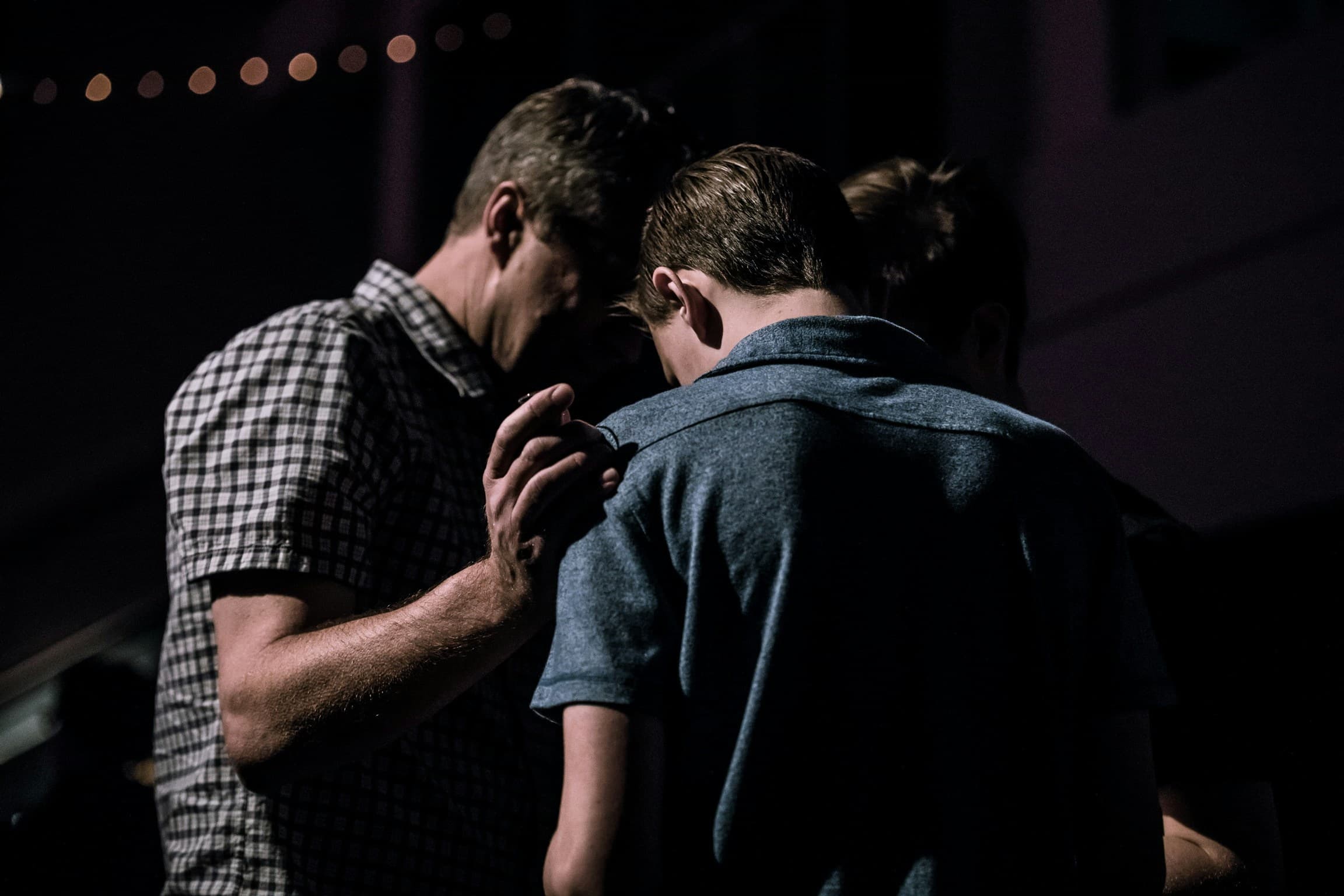
The night before a surgery is its own kind of long. The person you love has signed the forms, packed the small bag, and been told not to eat after midnight — and now there’s nothing left to do but lie in the dark and wait for morning. That’s usually when the fear gets loud. Not panic, exactly. Just the quiet, circling kind: what if this is the one that doesn’t go the way they say it will.
If you’re the one who wants to pray for them — a son or daughter, a sibling, a partner, a friend — you’ve probably felt the pull to reassure. To say it’s going to be fine, I just know it. Resist it. You don’t know that, and somewhere underneath, neither do they. A promise you can’t keep doesn’t comfort; it just tells them you can’t sit with how scared they are. The good news is that prayer was never meant to be a guarantee against bad outcomes. It’s a way of not being alone in the dark before you know how the story ends.
This is for the person who wants their faith to be a real comfort the night before — and doesn’t want to get it wrong.
What not to pray (even though you want to)
Skip the prayer that demands an outcome. “Lord, make sure everything goes perfectly” sounds like faith, but it quietly hands the person a bill they may not be able to pay — because if it doesn’t go perfectly, the prayer turns into a question about whether anyone was listening. The same goes for the cheerful, certain “don’t worry, God’s got this, it’ll all be fine.” It’s meant to steady them. It usually just tells them their fear isn’t welcome here.
You can’t promise the outcome. So don’t pray for the outcome as if you could. Pray instead for the things that are true no matter how the day goes.
What to pray instead
Four things you can ask for honestly, with nothing crossed behind your back:
- Peace that doesn’t depend on knowing. Not the absence of fear — the kind of calm that can sit right next to it. “Give them a quiet that the not-knowing can’t take away.”
- Steady hands for the people doing the work. The surgeons, the anesthesiologist, the nurses who’ll be in the room when your person can’t be awake for it. “Be in that room. Steady every hand.” This is a concrete thing to ask, and it gives the fear somewhere useful to go.
- Presence in the waiting — for them and for you. The hours in the waiting room are their own trial. Pray to not be left alone in them.
- That they won’t be alone in the fear. This is the heart of it. You can’t promise the surgery goes well. You can ask that, whatever the morning holds, they don’t face it by themselves — and you can be part of the answer to that prayer by showing up.
Notice what’s missing: a demand.
Every one of these can be answered with a yes — no matter what the surgeon says afterward.
The scripture that sits with fear
Reach for the verses that stay in the room with someone who’s afraid — not the ones that try to talk them out of it. Three that have carried people through long nights:
- Psalm 56:3 — “When I am afraid, I put my trust in you.” It doesn’t say don’t be afraid. It says here’s what to do with the fear when it comes — the honest version, and the more useful one.
- Psalm 23 — “Even though I walk through the valley of the shadow of death, I will fear no evil, for you are with me.” Note the word through. It doesn’t promise the valley away. It promises company in it.
- Isaiah 41:10 — “Fear not, for I am with you; be not dismayed, for I am your God.” The reason given is never because it’ll all work out. It’s always because I am with you.
If the person you love reads a particular translation, use theirs. The night before surgery is not the moment to introduce a new Bible or a verse they’ve never heard. Lean on the words they already carry.
When you’re the one who’s afraid
Sometimes the person who needs the steadier faith the night before is you. You’re the one lying awake doing the math on a surgery you don’t fully understand, and the prayers come out thin, or angry, or not at all. That’s allowed. The verses above are not a test you have to pass before you’re permitted to comfort someone — they’re a place to stand when your own footing is gone.
You don’t have to feel certain to pray honestly. “God, I’m scared and I don’t know how tomorrow goes. Be with them, and be with me, because I can’t carry this part alone” is a real prayer. It may be the truest one you pray all year. The God of the Bible is not waiting for you to sound brave; the whole story is one of him entering the rooms people are most afraid of.
And if your person is the one with the shakier faith right now — angry at God, or unsure he’s listening — don’t correct them. Lead with presence and let the scripture wait. Sit with them. Hold the fear without trying to fix the theology. There will be time for the rest later; tonight, the gift is that you stayed.
Then put the prayer in their hands
A prayer they can’t hold tends to evaporate by morning. Tie it to something tangible — this is where the prayer becomes a gift instead of a sentiment.
- A scripture card for the hospital bag. Write one of the verses above on a card by hand and tuck it in the bag they’re bringing. They’ll find it in a fluorescent room at 6 a.m. when you’re not allowed past the doors. “Tucked this in your bag. You’re not going in alone.”
- Pray with them before they go in — out loud, short. Not a performance. Thirty seconds, holding a hand, naming the fear and asking for the four things above. “Can I pray with you before they take you back?” Almost no one says no.
- The text on the morning of. While they’re being prepped, send it: “Still praying for you this morning — for peace, for steady hands, for you to not be alone in there. I’m right here.” It reaches them in the last waking minutes, which is exactly when the fear is loudest.
The card, the bedside prayer, the morning text — each one says the same thing the prayer says: I’m not going anywhere.
A quick check before you pray with them
Three questions:
- Am I praying for an outcome I can’t promise, or for company they’ll have no matter what?
- Did I bring the verse they already know — or one I’m introducing for the first time tonight?
- Is there one tangible thing — a card, a text, a hand to hold — carrying this prayer past the moment I say it?
Get those three right and the prayer does what it’s for: not bending the outcome, but making sure that whatever the morning brings, they walk toward it knowing exactly who is with them.